
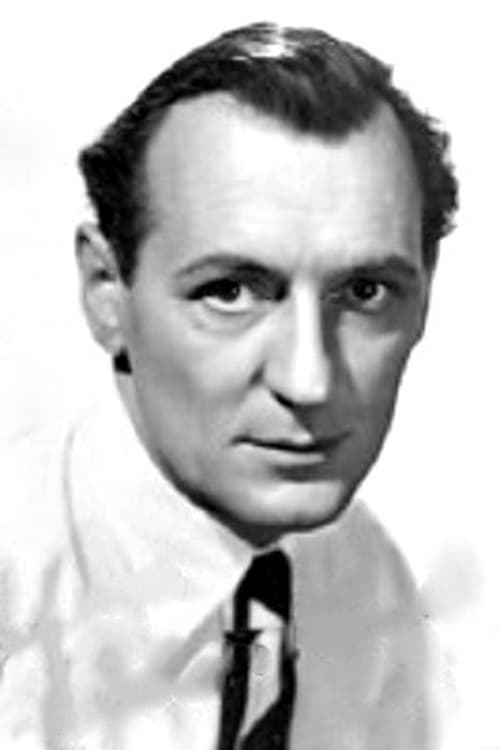
Richard Murdoch
Murdoch's first appearance in cinema was as an uncredited dancing extra in 1932 film Looking on the Bright Side. In 1937 he was listed among the cast of the "Television Follies", an early BBC Television programme.
He received his big professional break in the British Broadcasting Corporation's comedy radio programme Band Waggon in 1938 as part of a double act with the then rising star Arthur Askey, acquiring the nickname "Stinker" in mocking reference to his superior formal education.
As Askey moved from radio performing into cinema at the end of the 1930s Murdoch went with him and they appeared in a number of Askey star vehicle films together, Murdoch's tall athletic physique, good looks and upper middle class English Home Counties demeanor contrasting comedically with Askey's short stature, homely appearance, Lancashire provincial accent and working class performance persona. Their working partnership broke up during World War 2 when Murdoch joined the Armed Forces, but they briefly reprised it in the late 1950s for the television series Living It Up.
Murdoch was conscripted into the Royal Air Force in 1941, serving as a junior intelligence officer with Bomber Command, before being posted to the Department of Allied Air Force and Foreign Liaison as a Flight Lieutenant. In 1943 he joined the Directorate of Administrative Plans at the Air Ministry, where he shared an office with Wing Commander Kenneth Horne, being responsible for the supply of aircraft and air equipment to Russia. He finished the war with the rank of Squadron Leader.
Filmography (23 Appearances)
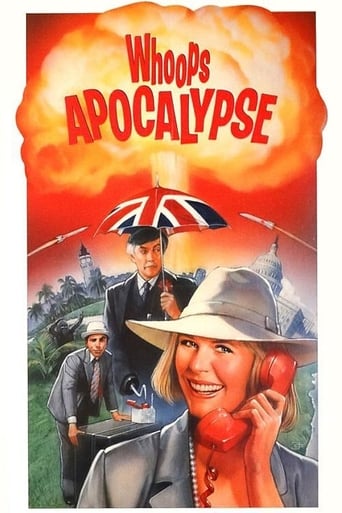
Whoops Apocalypse
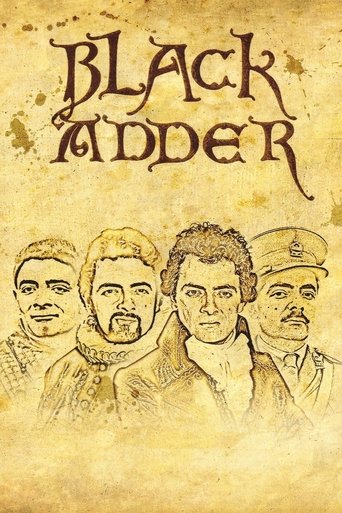
Blackadder
The Mystery of the Disappearing Schoolgirls
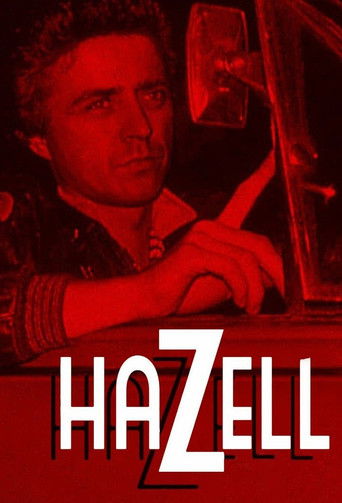
Hazell
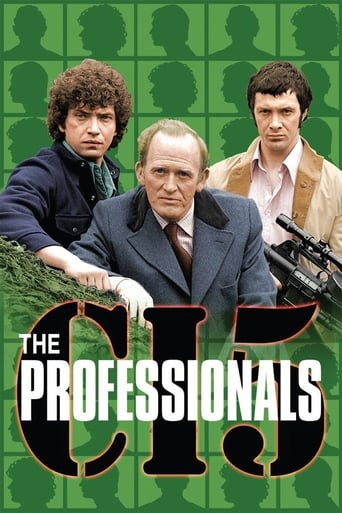
The Professionals
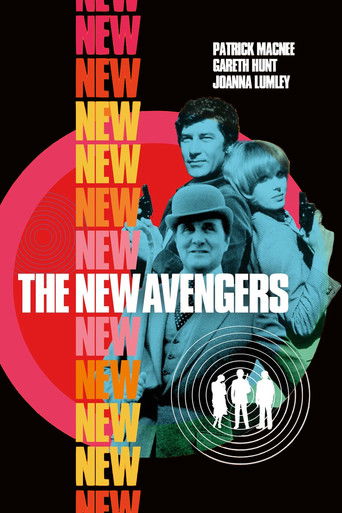
The New Avengers
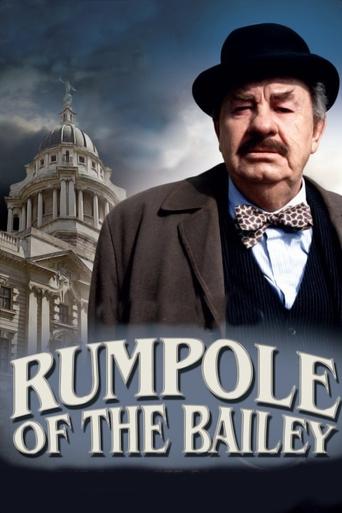
Rumpole of the Bailey
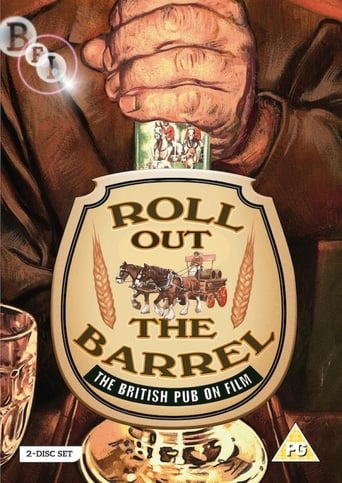
Under the Table You Must Go
Not a Hope in Hell
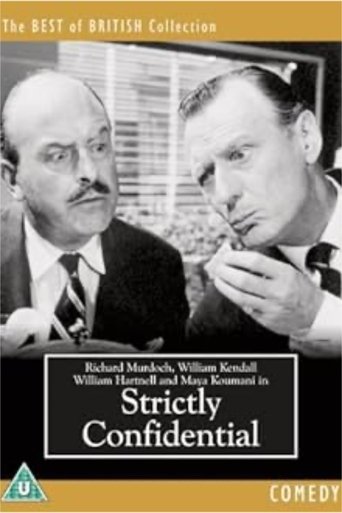
Strictly Confidential
Living It Up
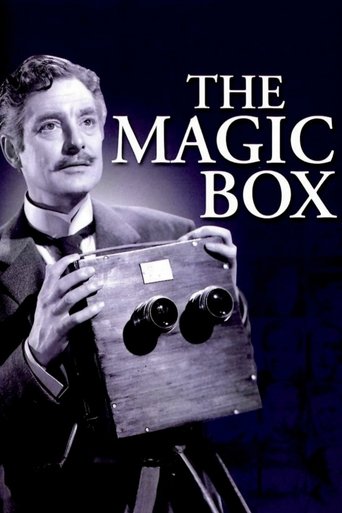
The Magic Box
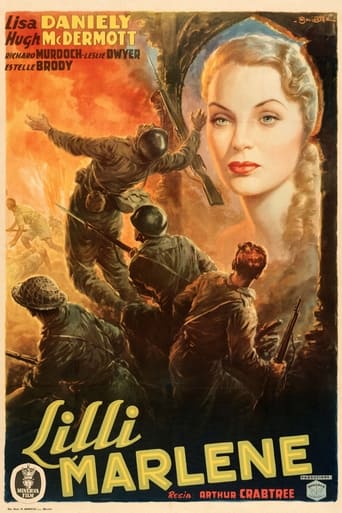
Lilli Marlene
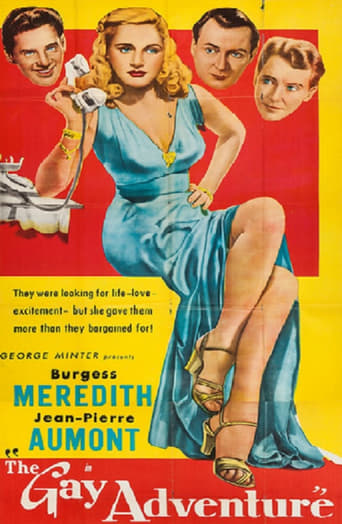
Golden Arrow
It Happened in Soho
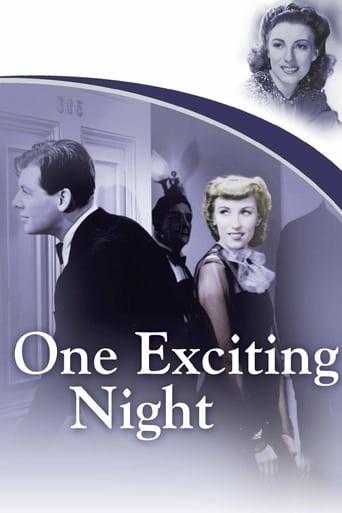
One Exciting Night
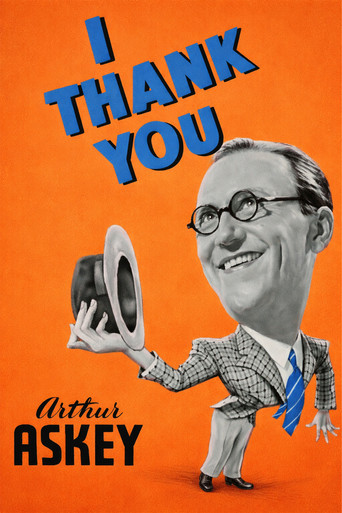
I Thank You
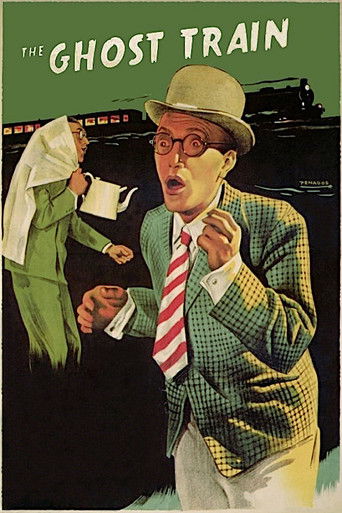
The Ghost Train
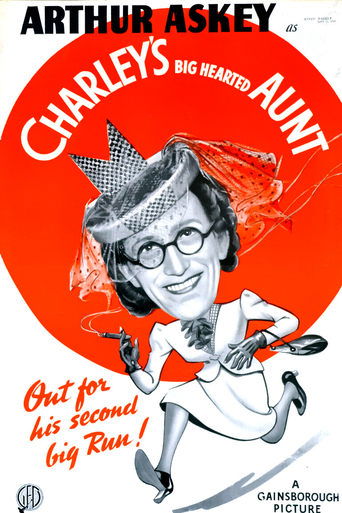
Charley's (Big-Hearted) Aunt

Band Waggon
The Terror
Over She Goes
Looking on the Bright Side