
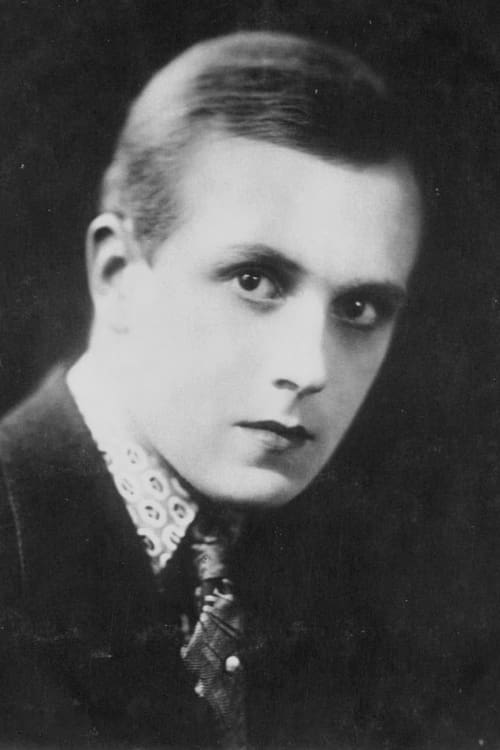
Jaque Catelain
He was born as Jacques Guérin-Castelain in Saint-Germain-en-Laye. His father was then the mayor and also moved in literary and theatrical circles, which allowed the young Jacques to encounter many famous names in his childhood. He showed early enthusiasm for the arts and music, and at the age of 16 he entered the Académie Julian in Paris to study fine arts. With the outbreak of war in the following year, he changed direction and chose to study acting at the Conservatoire, enrolling in the class of Paul Mounet, before being mobilised into the artillery.
In 1914 Catelain met Marcel L'Herbier, then a writer and critic, who became a major influence on his life and career, and with whom he formed a lifelong friendship. When L'Herbier began directing films in 1917, Catelain became his leading man of choice and starred in twelve of his silent films, starting with Le Torrent, and they made Catelain into a leading star who was in demand to appear in foreign films as well as in productions of other French directors. In 1925 he was offered a seven-year contract by MGM to work in America, but he turned this down.
Jaque Catelain's activities in this period extended beyond acting. When Marcel L'Herbier set up his own production company Cinégraphic in 1922, its first project became Le Marchand de plaisirs which Catelain directed as well as acting a double role in it. In the following year he wrote and directed La Galerie des monstres (1923/24). Both films were successful enough to cover their costs. He devised controversial make-up for some of the actors in L'Inhumaine, and his artistic skills were put to further use in two set designs for L'Argent. As a pianist he would sometimes step in to provide improvised accompaniment for previews of L'Herbier's films.
Catelain successfully made the transition from silent to sound films, starring in L'Herbier's L'Enfant de l'amour (1929), but during the 1930s he took fewer leading film roles and started to act in the theatre. In February 1933 he married Suzanne Vial, a friend since childhood who had become a production assistant to L'Herbier in the 1920s and continued working with him until 1944. Soon afterwards in 1933/1934 he was employed by the daily newspaper Le Journal to go to Hollywood to carry out a series of interviews with leading personalities such as Chaplin, Stroheim and Sternberg.
In May 1940, Catelain left France for a four-month theatrical tour of South America, but within a month France was occupied by the Germans and his absence lasted for six years. In Buenos Aires he became so ill with pneumonia that he was given the last rites, but he recovered and went to Canada for the next three years for work in the theatre and propaganda broadcasts. In 1943 he was invited to Hollywood and remained there for a further three years. He returned to Paris in 1946, and resumed an occasional career in films, appearing in minor roles in three of Jean Renoir's films in the 1950s. In 1950, he published a biography and appreciation of the work of Marcel L'Herbier.
Catelain died in Paris in 1965.
Filmography (42 Appearances)

Experiment in Evil
French Cancan
Les mousquetaires du roi
The Last Days of Pompeii
Love and Companionship
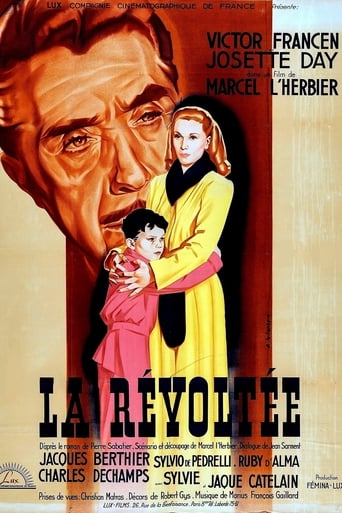
Stolen Affections
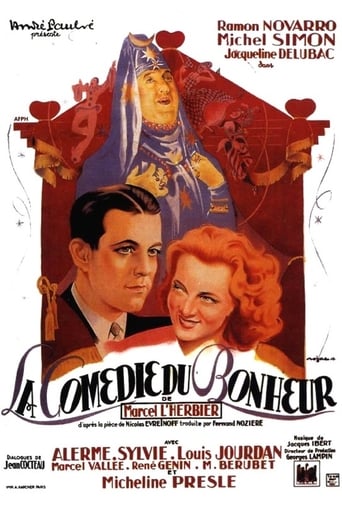
Comedy of Happiness
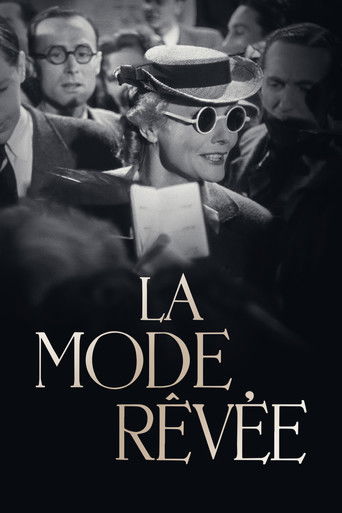
La Mode rêvée

Cordial Agreement
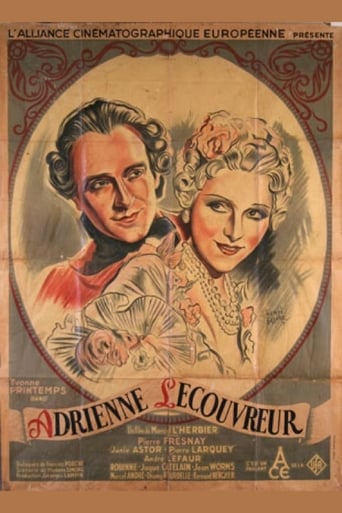
Adrienne Lecouvreur
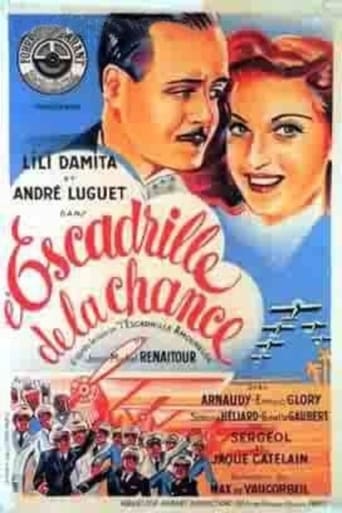
Escadrille of Chance
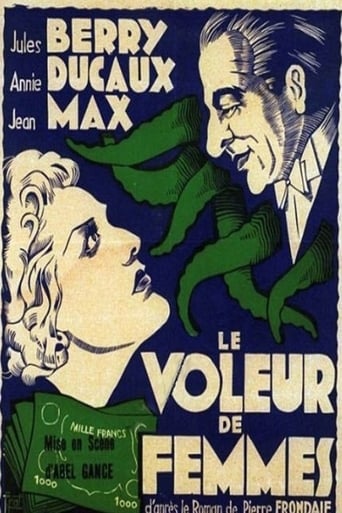
The Woman Thief
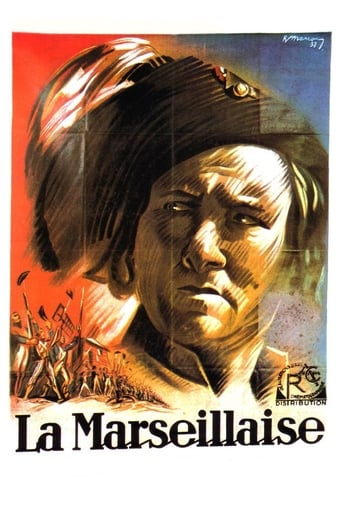
La Marseillaise
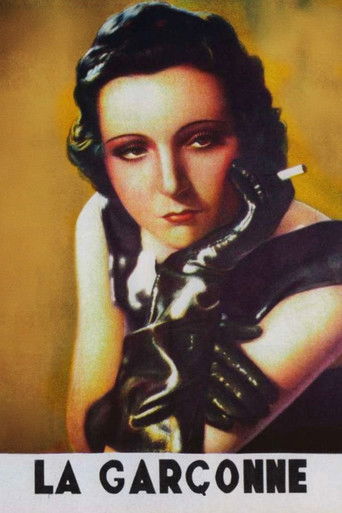
The Tomboy
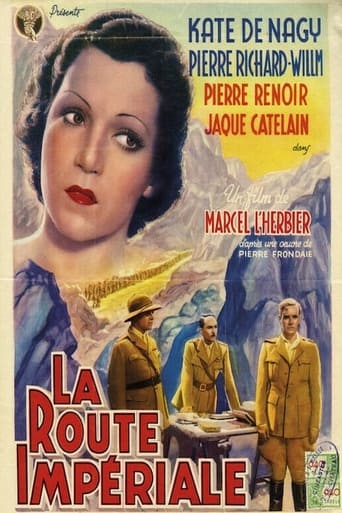
The Imperial Road
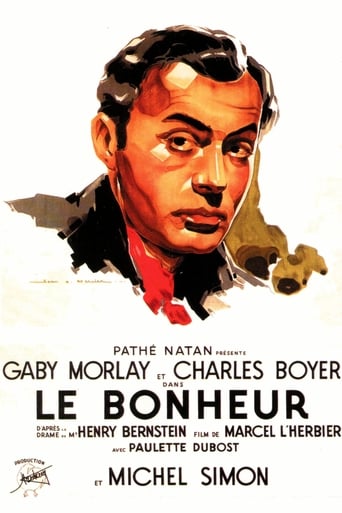
Le Bonheur
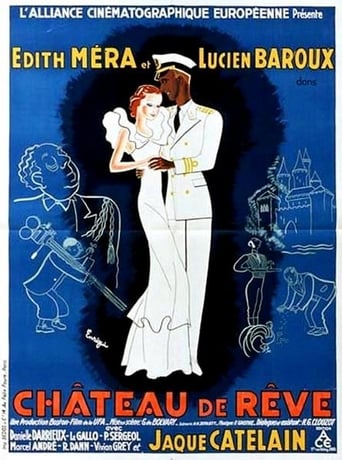
Dream Castle
Monsieur de Pourceaugnac
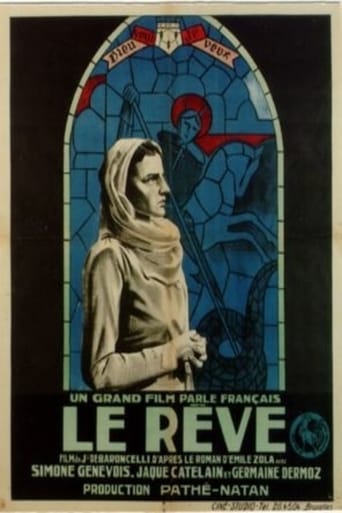
The Dream
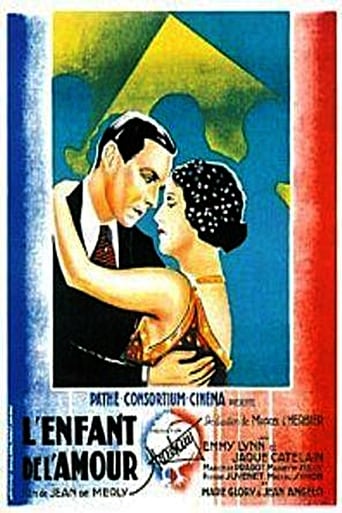
Illegitimate Child
In A Small Café
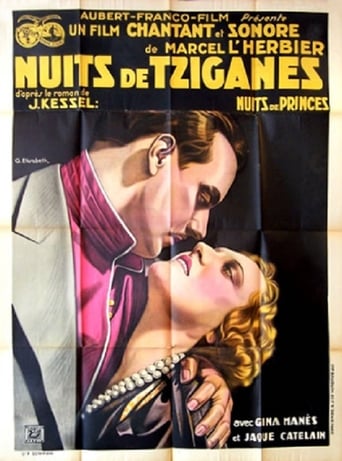
Princely Nights
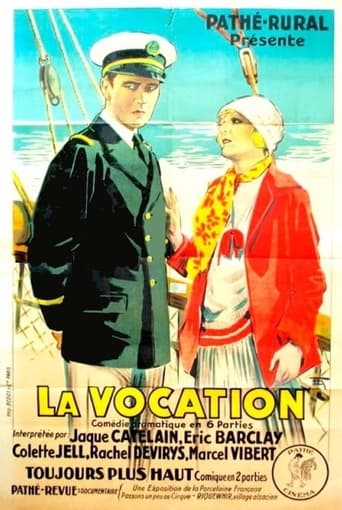
La vocation
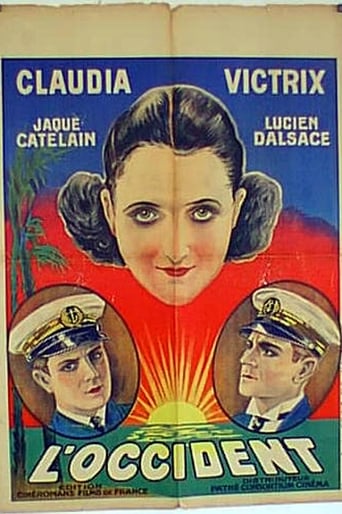
The West
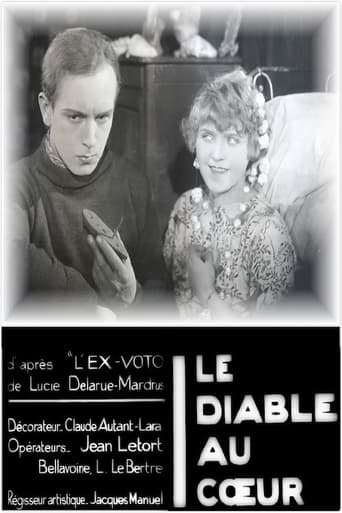
Little Devil May Care
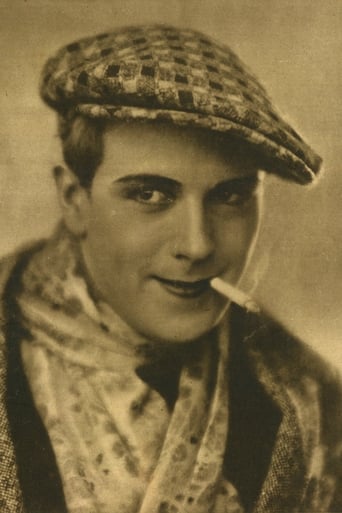
Apaches of Paris
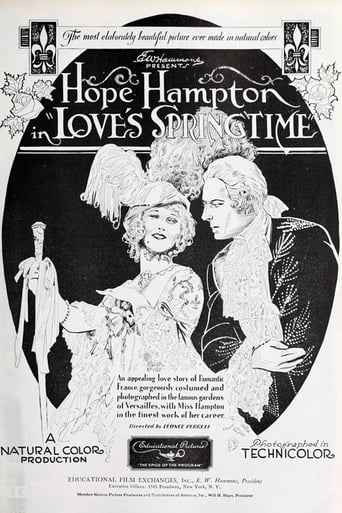
Love's Springtime
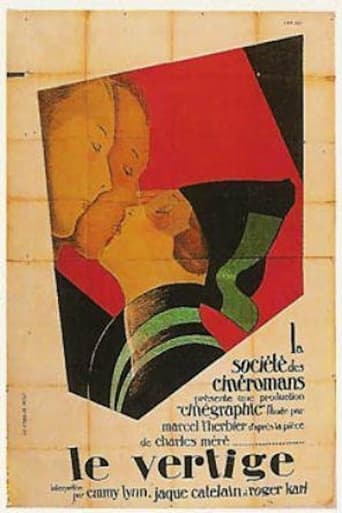
Le Vertige
The Knight of the Rose

Le Prince charmant
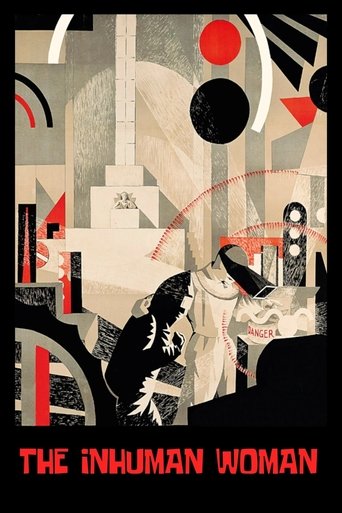
The Inhuman Woman
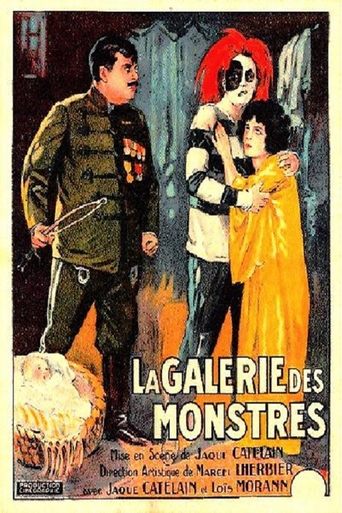
The Gallery of Monsters
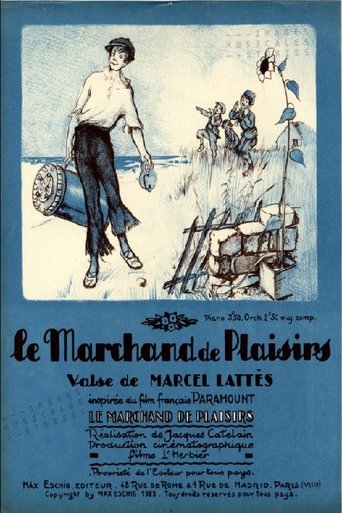
Le marchand de plaisirs
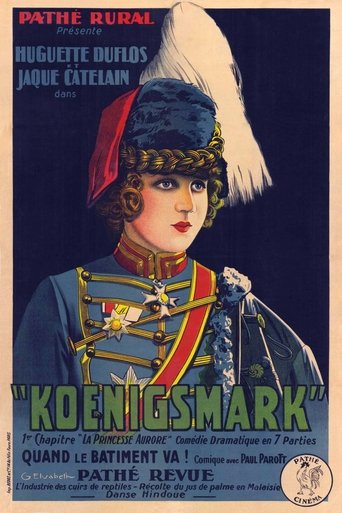
The Secret Spring
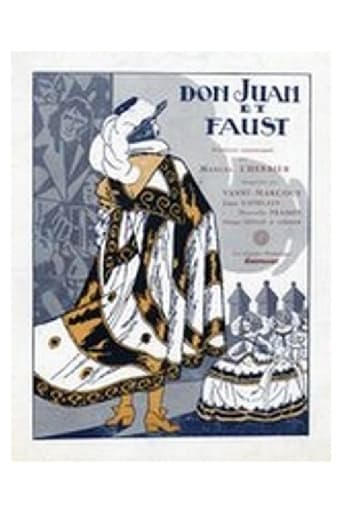
Don Juan et Faust
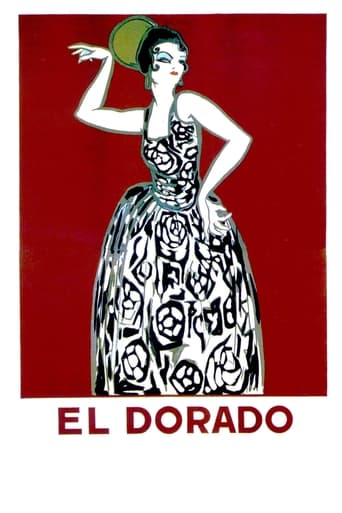
El Dorado
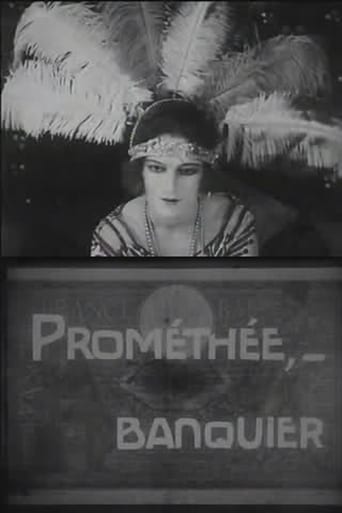
Prometheus, Banker
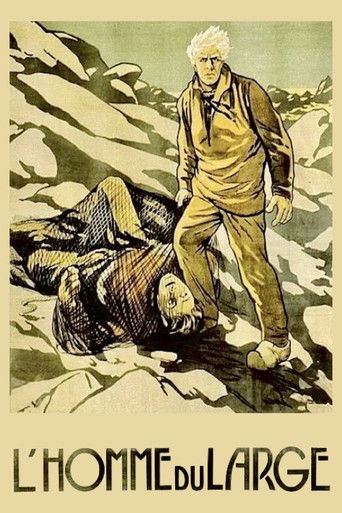
The Man of the Sea
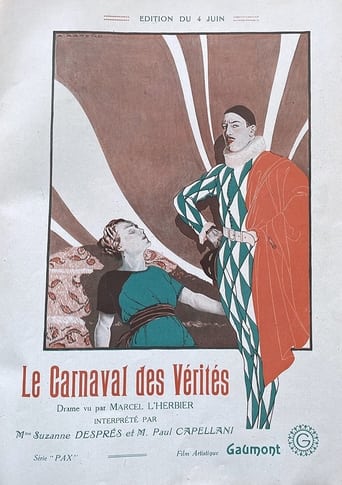
Le Carnaval des vérités
Le Bercail
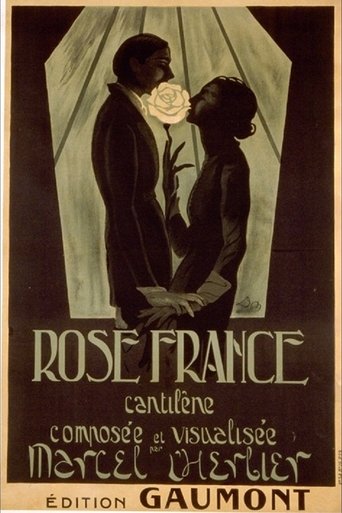
Rose-France
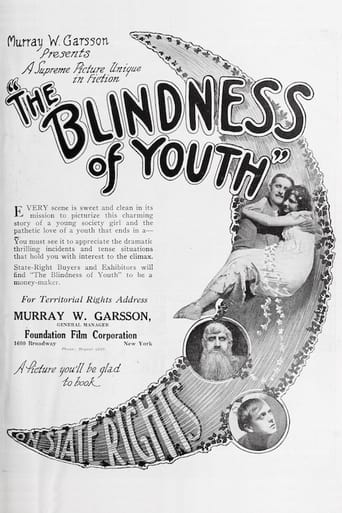
The Blindness of Youth