
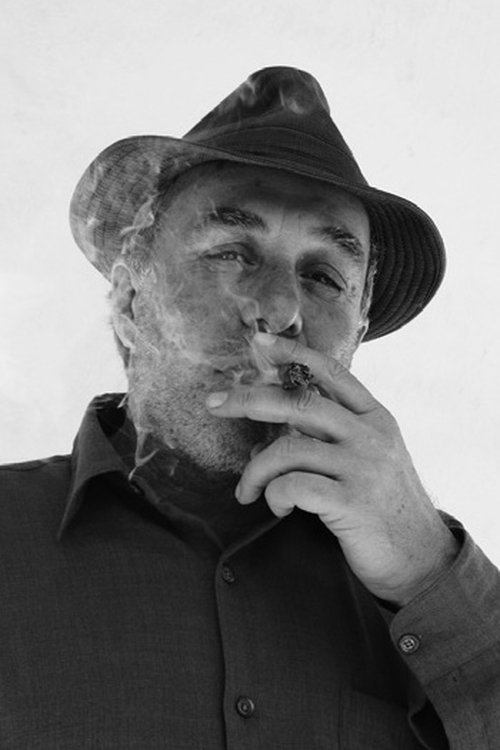
Júlio Bressane
A representative of the Brazilian Cinema Marginal, he began making films as an assistant director of Walter Lima Jr., in 1965. In 1967, Bressane debuted as director with Face to Face, being selected for the Festival of Brasilia. In 1970, he founded Belair Movies in company with fellow filmmaker Rogério Sganzerla. They chose a model of making films and low-cost production and thereby managed to run six feature films in just six months.
He came into exile in London in the early 1970s, but returned to Brazil several years later and made one film after another, using slapstick and debauchery as its main features. An acclaimed film of this period was the provocative Tabu, released in 1982. Critics consider Bressane the most scholarly of the Brazilian film directors, and his work is notable for the diversity of its narrative language. Another feature of his filmography is the comprehensive approach to historical and literary characters. He is also noted by his low-budget, short-time shootings, with an average of 11 to 14 days to make and edit a film.
Description above from the Wikipedia article Júlio Bressane licensed under CC-BY-SA, full list of contributors on Wikipedia.
Filmography (33 Appearances)
Il vento del cinema

O Fantasma da Ópera
Strade perdute - Filmmaker 23
Nietzsche em Português

The Queen of the Night

The Long Voyage of the Yellow Bus
Quando a Coisa Vira Outra
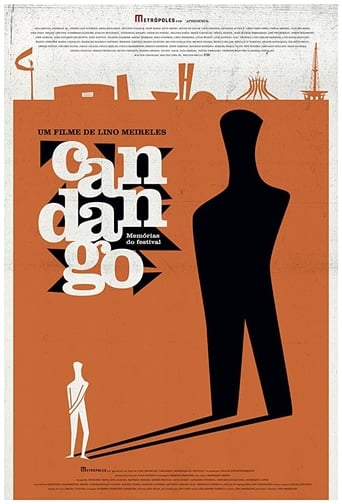
Candango: Memoirs from a Festival
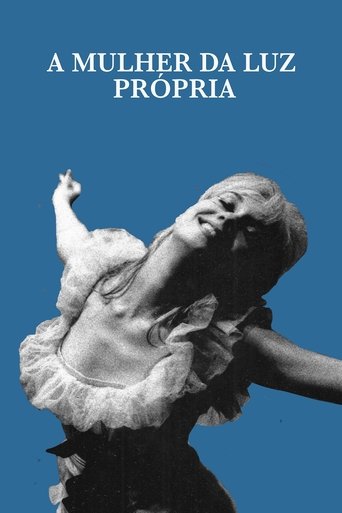
A Mulher da Luz Própria
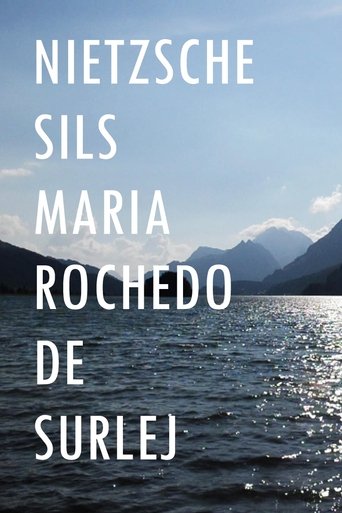
Nietzsche Sils Maria Rochedo de Surlej
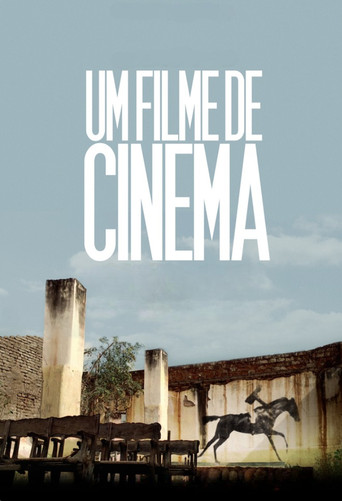
About Cinema
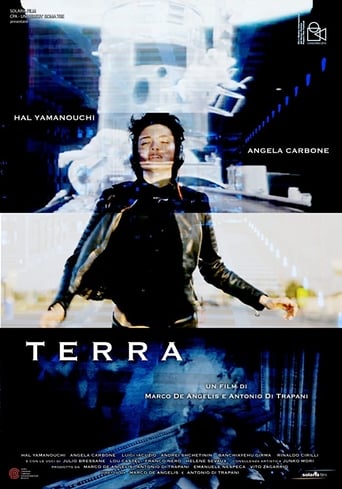
Earth

Copacabana, Mon Amour: A Restauração

Sentimental Education

Drumming Beat of the Stars

Avacalha e se Esculhamba
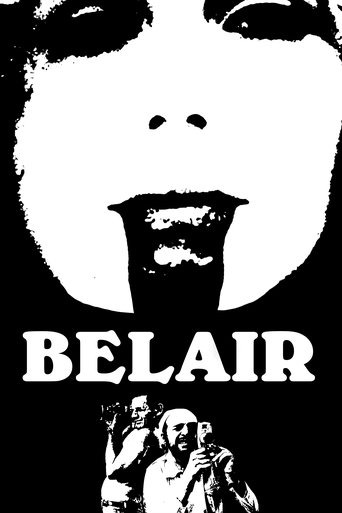
Belair
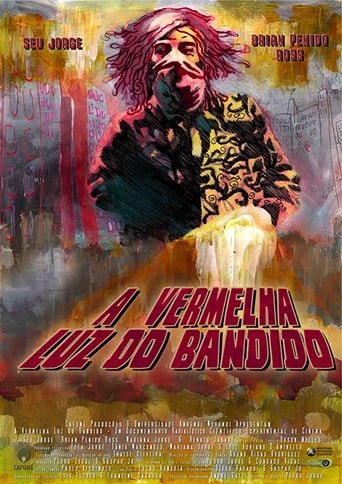
A Vermelha Luz do Bandido

Ver Viver Reviver

A Miss e o Dinossauro

A Linguagem do Cinema

50 minutos e 23 segundos com Júlio Bressane
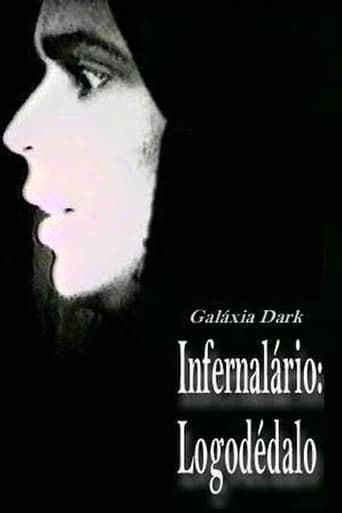
Dark Galaxy

Galáxia Albina

Torquato Neto, O Anjo Torto da Tropicália
Talking Cinema

Brás Cubas
Tabu

Naive Cinema

Horror Palace Hotel
The Agony

Chinese Viola

Lágrima Pantera: A Míssil